
Chandler Seller Prep Checklist: 12 Fixes That Protect Your Net
Prepping a home for sale in Chandler isn't about perfection—it's about removing the "reasons to negotiate." Buyers may love the neighborhood, the commute, and the Arizona sunshine, but they'll still scan for deferred maintenance and mentally subtract it from their offer. The good news: a handful of targeted fixes can protect your net proceeds far more than expensive, trendy upgrades. Below is a practical, market-savvy checklist you can tackle in phases, especially helpful if you're aiming for a smooth inspection and a clean appraisal.

Think like a buyer walking in for the first time. In the East Valley, many shoppers compare multiple homes in a single afternoon. That means the "feel" of your property—clean, cared-for, low-hassle—matters just as much as square footage. Chandler's lifestyle is built around easy living: parks, golf, great schools, and quick access to major employers. Your prep should echo that same simplicity by minimizing visible wear, reducing unknowns, and making the home's best features effortless to notice.
Before you start, set priorities: fix anything that suggests water damage, electrical issues, roof concerns, HVAC problems, or safety hazards. Those are the items most likely to show up on an inspection report and become leverage for credits. Next, focus on items that impact first impressions and daily function—doors that stick, worn caulk, weak water pressure, or tired lighting. The checklist below is designed to be high-impact without turning into an endless remodel.
The 12 Fixes That Most Often Save Sellers Money
1) Patch and paint the "conversation starters." Nail pops, scuffs, door-dings, and mismatched touch-ups read as ongoing maintenance. A cohesive neutral paint refresh in high-traffic areas (entry, living room, hallways) photographs better and reduces buyer nitpicking.
2) Refresh baseboards, doors, and trim. In bright Arizona light, trim wear is easy to spot. Clean, recaulk where needed, and repaint for a crisp, finished look that signals pride of ownership.
3) Service the HVAC and replace filters. HVAC performance is a major comfort and cost concern in Chandler. A recent service receipt and clean returns/vents can help buyers feel confident—and can prevent last-minute surprises during inspection.
4) Fix water-related issues immediately. Dripping faucets, running toilets, soft spots under sinks, or stained caulk in showers can trigger bigger fears. Recaulk tubs and showers, tighten hardware, and address any active leaks.
5) Clean windows and repair screens. Clear glass and intact screens help the home feel brighter and more livable, especially when buyers open windows during showings. It's a small line item that can lift the entire presentation.
6) Upgrade lighting to consistent, warm bulbs. Replace burned-out bulbs and align color temperature so rooms don't feel patchy. Bright, even lighting helps photos and makes ceilings look higher.
7) Address flooring transitions and squeaks. Loose thresholds, peeling laminate edges, or obvious stains become easy negotiation points. Professional carpet cleaning and simple transition repairs often pay for themselves.
8) Make the kitchen feel "turnkey." You don't need a full renovation. Instead: tighten cabinet hinges, replace dated pulls if they're mismatched, ensure drawers glide smoothly, and deep-clean appliances. Buyers equate a clean kitchen with a well-maintained home.
9) Tidy grout and seal where appropriate. Freshened grout lines and clean tile in bathrooms and laundry rooms reduce the "I'll have to deal with that" feeling. It's one of the fastest ways to make a bath feel newer without major work.
10) Handle exterior touch-ups: stucco cracks and peeling paint. Minor stucco hairline cracks are common, but visible neglect is not. Patch, paint where needed, and keep the exterior looking consistent from the street to the side yard.
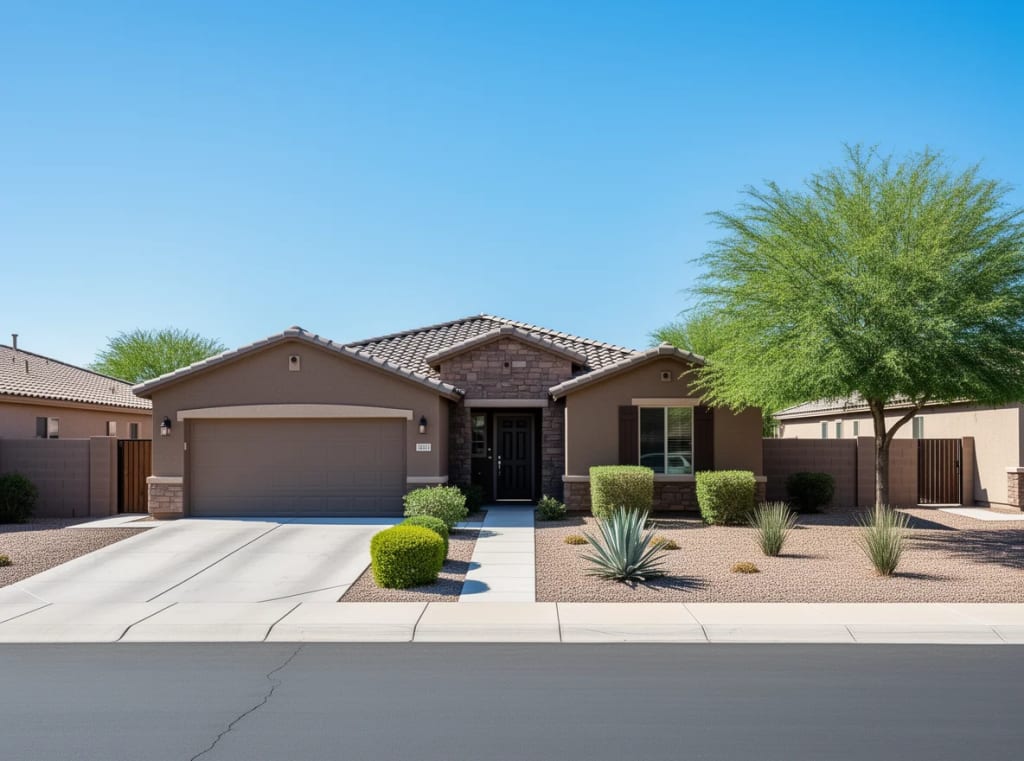
11) Create low-maintenance curb appeal. Trim trees, remove dead plants, refresh rock or mulch, edge the driveway, and ensure irrigation isn't spraying the sidewalk. Chandler buyers often prefer desert-friendly yards that look clean and intentional.
12) Secure safety and functionality items. Install fresh batteries in smoke/CO detectors if applicable, replace missing outlet covers, stabilize wobbly railings, and confirm gates latch properly. These fixes reduce inspection friction and help appraisers and buyers view the home as well cared for.
A Smart Timeline: What to Do 30 Days, 7 Days, and 24 Hours Before Listing

30 days out: Focus on repairs and trades. Book HVAC service, tackle paint, and schedule any roof or plumbing work. If you plan to pre-inspect (a strong move in some situations), this is the window to do it while you still have time to fix items calmly rather than under contract pressure.
7 days out: Shift to presentation. Deep-clean, declutter closets, and make the garage feel organized. Buyers in the East Valley often care about storage—sports gear, seasonal bins, and workshop space—so an orderly garage can be a subtle differentiator. Also, test every light, fan, and faucet so nothing "mysteriously stops working" when showings begin.
24 hours out: Make it effortless to say yes. Clear counters, set consistent lighting, remove pet items, and do a final walk-through for small distractions (trash cans visible from the street, smudged sliders, water spots on mirrors). The goal is a home that feels calm, bright, and easy to maintain.
Chandler-Specific Prep Notes (That Buyers Actually Notice)
Because Chandler living often means indoor-outdoor flow for a good portion of the year, don't overlook patios, sliders, and backyard hardscape. Ensure outdoor fans run smoothly, doors glide and lock, and the yard is clean and intentional—whether that's a patch of turf, pavers, or a simple gravel design. If your home is near parks, greenbelts, or highly regarded schools, your listing will attract buyers looking for convenience and community; your prep should reinforce that with a home that feels ready on day one.
Also, remember that buyers are comparing not only homes but also total monthly costs. Small issues that hint at higher future expenses—an aging water heater, a struggling AC, poor weatherstripping—can quietly push them toward a competing property. You don't need to replace everything, but you do want clear documentation, transparent condition notes, and a house that shows consistent care.

How The Drew Team Helps You Prep Without Over-Improving
Sellers often ask the same question: "What should I fix, and what should I leave?" The answer depends on your neighborhood, price point, and how your home compares to nearby inventory. The Drew Team brings East Valley-focused expertise and a team-based approach, which means you can get clear, prioritized guidance—from first impression improvements to inspection-risk items—without sinking money into upgrades that won't come back at closing.
When you prep strategically, you're not just polishing a property—you're protecting your timeline, your negotiating position, and ultimately your net. If you'd like, use this checklist as a starting point, then build a simple plan: tackle the items buyers fear most, elevate the spaces they photograph and remember, and make the home feel easy to own. That combination is what helps strong offers come in confidently—and helps you keep more of what you've earned.